
How to Search Caldwell County Court Records
Caldwell County court records are searched through North Carolina's statewide eCourts Portal, not through a county-built case search site. The Portal supports case information, hearing searches, payments, and judgment lookup after Caldwell County's eCourts conversion. The strongest search starts with a case number, citation number, attorney, or party name, then narrows the location to Caldwell County.
Portal access is not the only channel. Public users can inspect some civil, special proceeding, and estate information on self-service terminals in clerk offices. Case files are viewed through the clerk in the county where the case is located, and copies come from clerk staff for a fee when the file is public. If an online search is blocked by session settings, enable JavaScript and cookies and be ready for the Portal's CAPTCHA checks.
- Open the Portal home and choose Smart Search for case information or Search Hearings for court dates.
- Enter a record number, citation number, or name in the Portal's required format.
- Use Advanced Filtering Options to select Caldwell County instead of searching all North Carolina counties.
- Review case, hearing, document, payment, or judgment information that is available for the case type and access level.
- Contact the Caldwell County Clerk of Superior Court if the file must be inspected, copied, certified, or checked through a public terminal.
The Caldwell County Judicial System
North Carolina's Trial Division splits Caldwell County trial work mainly between Superior Court and District Court. Superior Court hears felony criminal cases, civil matters involving more than $25,000, and appeals from District Court misdemeanors or infractions. District Court hears misdemeanors, infractions, divorce, custody, child support, juvenile matters, small claims, evictions, and many civil cases under the Superior Court threshold.
The official Caldwell County Judicial Branch page lists the county as Prosecutorial District 36, Superior Court District 36, and District Court District 36. Magistrates operate within the District Court structure and may issue warrants, set bail, hear small claims, and accept certain minor pleas or waivers. Appeals usually move to the North Carolina Court of Appeals, with the Supreme Court of North Carolina serving as the highest state court.
Case flow: Magistrate or filing counter › District Court or Superior Court › North Carolina Court of Appeals › Supreme Court of North Carolina when review applies.
| Court | Jurisdiction | Case Types |
|---|---|---|
| Superior Court | Civil over $25,000, felonies, District Court appeals | Felony criminal, larger civil, jury trials, appeals |
| District Court | Civil under $25,000, misdemeanors, infractions, family, juvenile | Traffic, divorce, custody, support, juvenile, small civil |
| Magistrates | District Court lower-level functions | Warrants, bail, small claims, evictions, minor waivers |
Caldwell County Courthouse
The main Caldwell County courthouse is in downtown Lenoir and serves as the local hub for Superior Court, District Court, magistrates, the Clerk of Superior Court, family court administration, juvenile court, the District Attorney, Guardian ad Litem, and related Judicial Branch functions. Court security is local and practical: Caldwell County Sheriff's Office deputies operate courthouse metal detectors during business hours, keep order in courtrooms, and move inmates to and from courtrooms.
Types of Caldwell County Court Records
Caldwell County court records include civil, criminal, family, probate or estate, traffic, small claims, magistrate, and judgment records. The court level matters. Superior Court records may involve felony charges, large civil cases, and appeals from District Court. District Court records may involve misdemeanors, infractions, traffic citations, divorce, custody, support, juvenile matters, evictions, and civil claims below the Superior Court limit.
Some records that sound court-related are held elsewhere. Marriage licenses and certified marriage copies are Register of Deeds records. Jail custody records are maintained by the Sheriff's Office and detention division. State prison, probation, parole, sex offender, and notification records use state-level North Carolina Department of Adult Correction or SBI channels. Federal cases from Caldwell County use federal court systems and PACER.
- Criminal records - charges, pleas, hearings, dispositions, judgments, sentences, bonds, and appeal entries.
- Civil records - complaints, answers, motions, orders, judgments, liens, and enforcement filings.
- Family and divorce records - divorce judgments, custody, support, and domestic case filings handled through District Court and Family Court channels.
- Estate and special proceeding records - wills, estate administration, letters, inventories, accountings, and clerk orders when public.
- Traffic records - citations, infractions, court dates, payment eligibility, failure-to-appear entries, and dispositions.
What Caldwell County Court Records Show
A Caldwell County court record may show the record number, county, court division, parties, attorneys, hearing dates, judicial officer, filing date, case type, case status, documents, dispositions, judgments, bonds, fines, costs, and payment eligibility. Portal may show case information, records, documents, hearings, and payment options when available, but full document access can vary by case type, redaction, and user access level.
| Field | What It Shows |
|---|---|
| Case number | The unique court identifier, such as a civil file number or criminal docket number. |
| Filing date | The date a case or document was filed with the clerk. |
| Parties | Plaintiff, defendant, petitioner, respondent, decedent, or business names. |
| Charges or claim | The criminal charge, traffic offense, civil claim, estate matter, or family issue. |
| Disposition | The outcome, such as judgment, dismissal, plea, conviction, order, or sentence. |
| Financials | Fines, fees, bond amounts, court costs, judgments, or payment eligibility when available. |
Public Access Laws for Caldwell County Court Records
Caldwell County court records are public only to the extent North Carolina law and court rules allow. The practical rule is simple: start with Portal for public case information, use the Clerk of Superior Court for file inspection and copies, and expect restricted case types or protected personal details to be sealed, redacted, or withheld from general public view.
Key Statutes:
N.C.G.S. 132-1 - defines public records broadly for North Carolina public agencies.
N.C.G.S. 132-6 - covers inspection and copies of public records at reasonable times.
N.C.G.S. 7A-109 - requires clerks to keep court records and makes them open unless prohibited by law.
Restricted Caldwell County Court Records
Juvenile delinquency, undisciplined, abuse, neglect, and dependency records are District Court juvenile matters but are not ordinary public files. Article 30 of Chapter 7B governs juvenile records, and access is generally limited to authorized people or court order. Adoption files, some mental health proceedings, sealed records, and expunged records also fall outside routine public access.
Redaction is common even in public files. Social Security numbers, driver's license numbers, financial account numbers, minor identifying information, medical details, and protected personal identifiers may be hidden. An expunction can remove an eligible adult criminal record from ordinary public view, but eligibility depends on the statute, charge, disposition, waiting period, age, prior record, and court order.
Caldwell County Recovery Court Context
North Carolina calls problem-solving courts Recovery Courts. The statewide Judicial Branch describes Recovery Courts as intensive, court-supervised programs for people in criminal and juvenile systems who face substance use, mental health, or co-occurring challenges. Types include adult treatment courts, DWI treatment courts, family treatment courts, and youth treatment courts. A Caldwell County case assigned to that kind of docket may still produce court records, but the program path can affect hearings, compliance reviews, treatment terms, and supervision notes.
Caldwell County Sheriff and Jail
The Caldwell County Sheriff's Office is led by Sheriff Kevin H. Bean and is located at 2351 Morganton Boulevard SW, Lenoir. The detention division maintains custody operations and publishes an official current inmate PDF rather than a full searchable county web roster. That PDF can show booking number, charges, agency, judicial status, docket, bond amount, status, type, court date, booking date, and facility information.
Jail data is different from a court case file. Custody status and booking details come from the sheriff and detention division, while filed charges, dispositions, and sentences are court records. The official Caldwell County Sheriff, NC mobile app exists for public outreach, news, reporting crimes, submitting tips, and other interactive features, but the reviewed app-store text did not verify an app-only inmate or warrant lookup.
Marriage, Divorce, and Estates
Caldwell County marriage licenses and certified marriage copies are handled by the Caldwell County Register of Deeds, not the Clerk of Superior Court. The Register of Deeds office lists Wayne Rash as Register and handles marriage licenses, birth and death records, military discharges, notary records, and recorded instruments. Divorce judgments are different because they are court records held by the clerk in the county where the divorce was granted.
Estate and probate matters in Caldwell County are handled by the Clerk of Superior Court / Estates Division rather than by a separate probate court. Public estate information can be available through clerk public terminals and Portal searches, while the estate file itself is reviewed through the clerk in the county where the estate is located.
- Testator
- A person who made a will.
- Executor
- The person named to administer a will after death.
- Intestate
- Dying without a valid will, so estate rules decide who may inherit.
Caldwell County Court Records Fees
The research located payment rules for court fees, fines, and traffic citations, plus Register of Deeds fees for marriage records. It did not locate a Caldwell-specific court copy amount, so copy fees should be confirmed with the clerk before ordering. The official payment page also distinguishes mail, in-person, and online payment methods.
| Item | Amount or rule located |
|---|---|
| Court copy fee | Fee exists; exact local amount not located in reviewed Caldwell court pages. |
| Mail court payment | Money order or certified check only; no cash or personal checks. |
| In-person court payment | Cash, credit/debit with processing fee, money order, or certified check. |
| Online court payment | Credit/debit card with processing fee if eligible; digital wallets not accepted. |
| Marriage license | $60 through the Register of Deeds. |
| Certified marriage certificate | $10 through the Register of Deeds. |
Interpret Caldwell County Court Records
A charge is not the same as a conviction. A charge records what was filed or alleged, while a conviction means guilt was found by plea, judge, or jury. A disposition is the outcome of the charge or case. A judgment is a final court decision or enforceable order. A docket is the list of filings, hearings, events, and orders in a case.
Criminal and inmate records may also show bond, agency, docket number, court date, and status codes. Estate files may show letters, inventories, accountings, claims, and clerk orders. Civil files may show complaints, answers, motions, orders, judgments, liens, and garnishment steps. When a Portal result is unclear, the clerk's office is the source for file review and copies.
Caldwell County Record Limits
Online records can lag behind courtroom action, clerk processing, sheriff custody changes, or redaction review. Portal may not show every document in every case, and some documents may require clerk office access. The jail's current inmate PDF is a custody report and should not be used as a full criminal case history. NCDAC searches cover state prison, probation, parole, sex offender, and notification data, not the Caldwell County jail file.
Note: Confirm time-sensitive court dates, warrants, custody status, and certified-copy needs with the official office that maintains the record.
History of Caldwell County Courts
Caldwell County was formed in 1841, and the Register of Deeds reports real estate records dating back to county formation. North Carolina Superior Court dates to 1777 and is described by the Judicial Branch as the state's oldest court. Caldwell County's modern record-access history changed on October 13, 2025, when eCourts went live in Caldwell and other Track 10 counties, completing statewide eCourts availability across all 100 counties.
Caldwell County Court FAQ
Where do Caldwell County court record searches start?
Most public case searches start in the North Carolina eCourts Portal. Select Caldwell County in the location filter when possible. If the file itself must be inspected or copied, contact the Caldwell County Clerk of Superior Court.
Are Caldwell County warrants online?
No official public Caldwell County active warrant search page was located in the reviewed sources. Use the Sheriff's Office warrant phone, magistrates, the clerk, and Portal case searches for related court context.
Who handles Caldwell County marriage records?
The Register of Deeds handles marriage licenses and certified marriage copies. Divorce judgments are court records and come from the Clerk of Superior Court in the county where the divorce was granted.
Caldwell County Court Source Images
The official Caldwell County court landing page identifies the county's court districts and links to courthouse, calendar, payment, jury, family court, and contact resources.
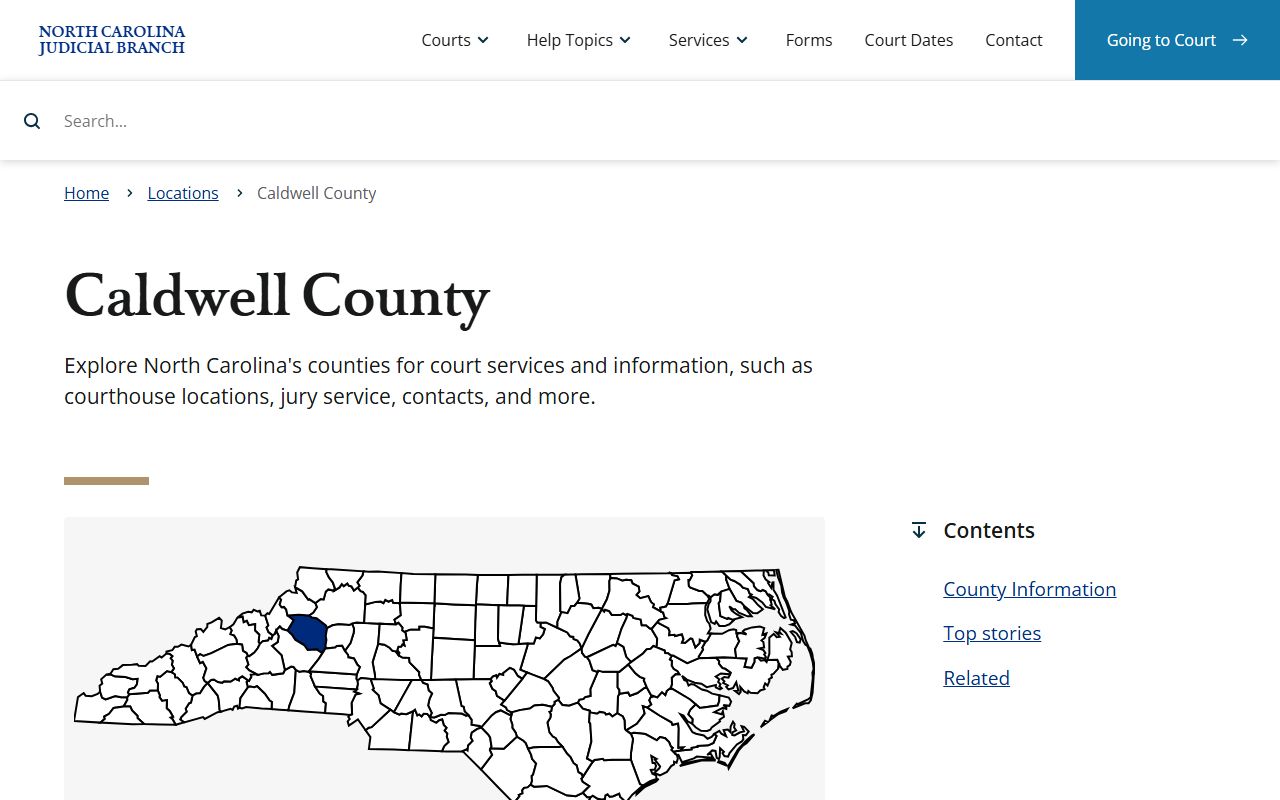
This source is the main local Judicial Branch hub for Caldwell County court records and court-service routing.
The Caldwell County courthouse page provides the official address, mailing address, hours, phone, and parking note.
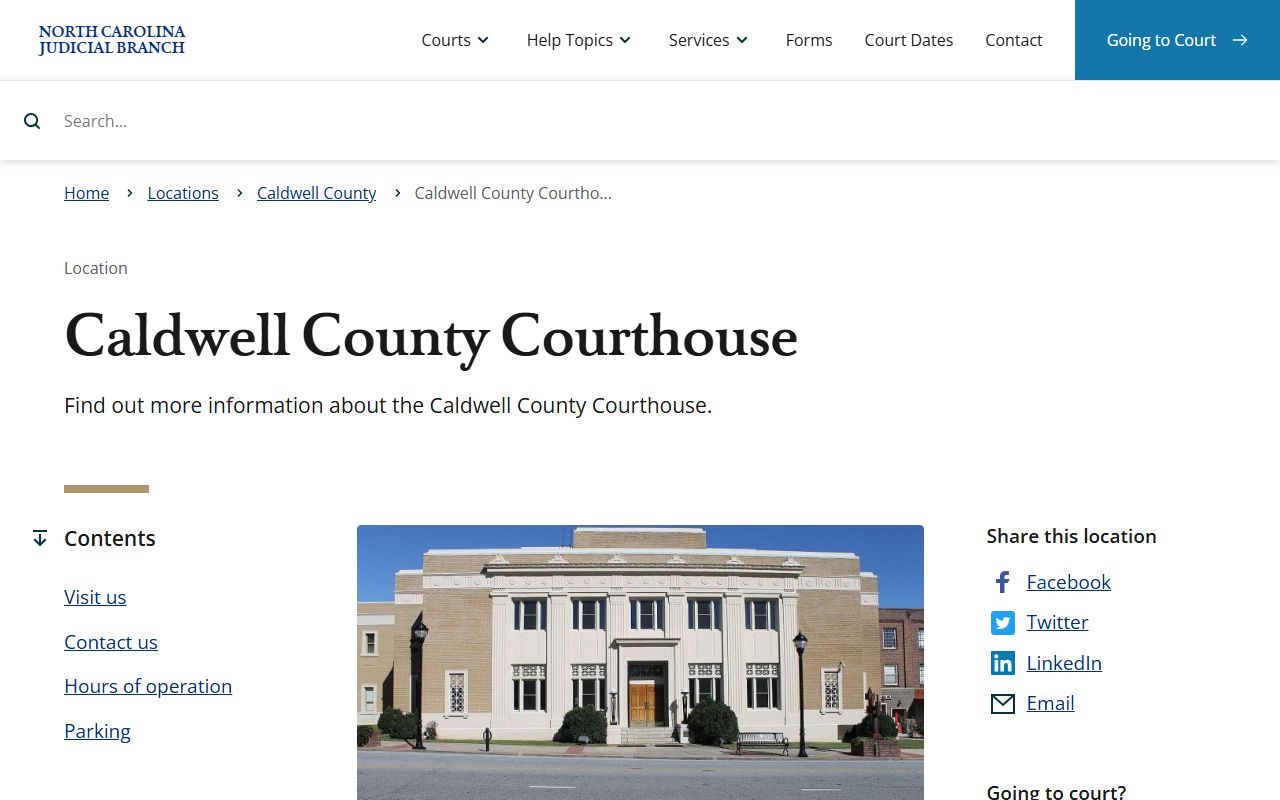
The courthouse page supports the address, parking, and contact details used for in-person court record access.
The Caldwell County court contact directory lists the clerk, judges, magistrates, family court, juvenile, District Attorney, and other court contacts.
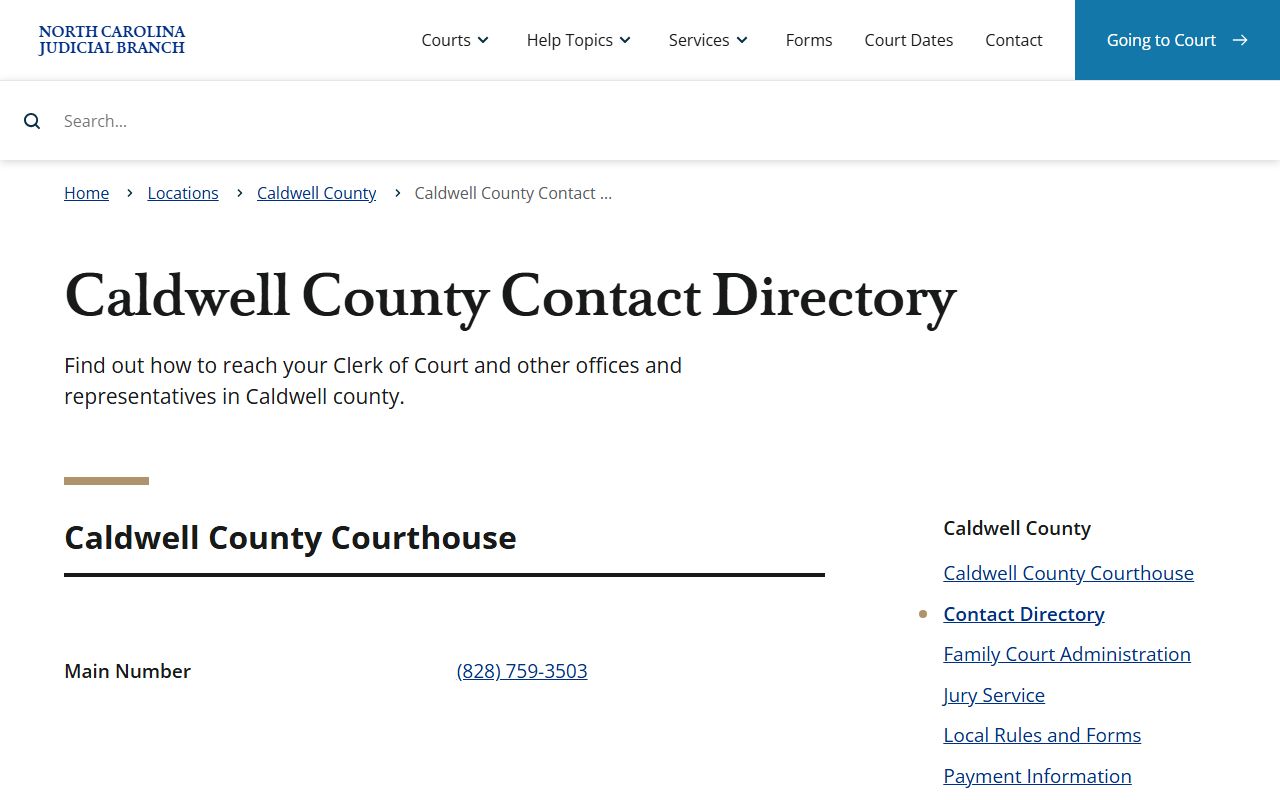
That directory is the source for routing record, court date, family, juvenile, magistrate, and prosecutor questions to the right office.
The statewide Judicial Branch services hub links to Portal, File & Serve, Guide & File, records, interpreters, court dates, forms, and Remote Public Access.
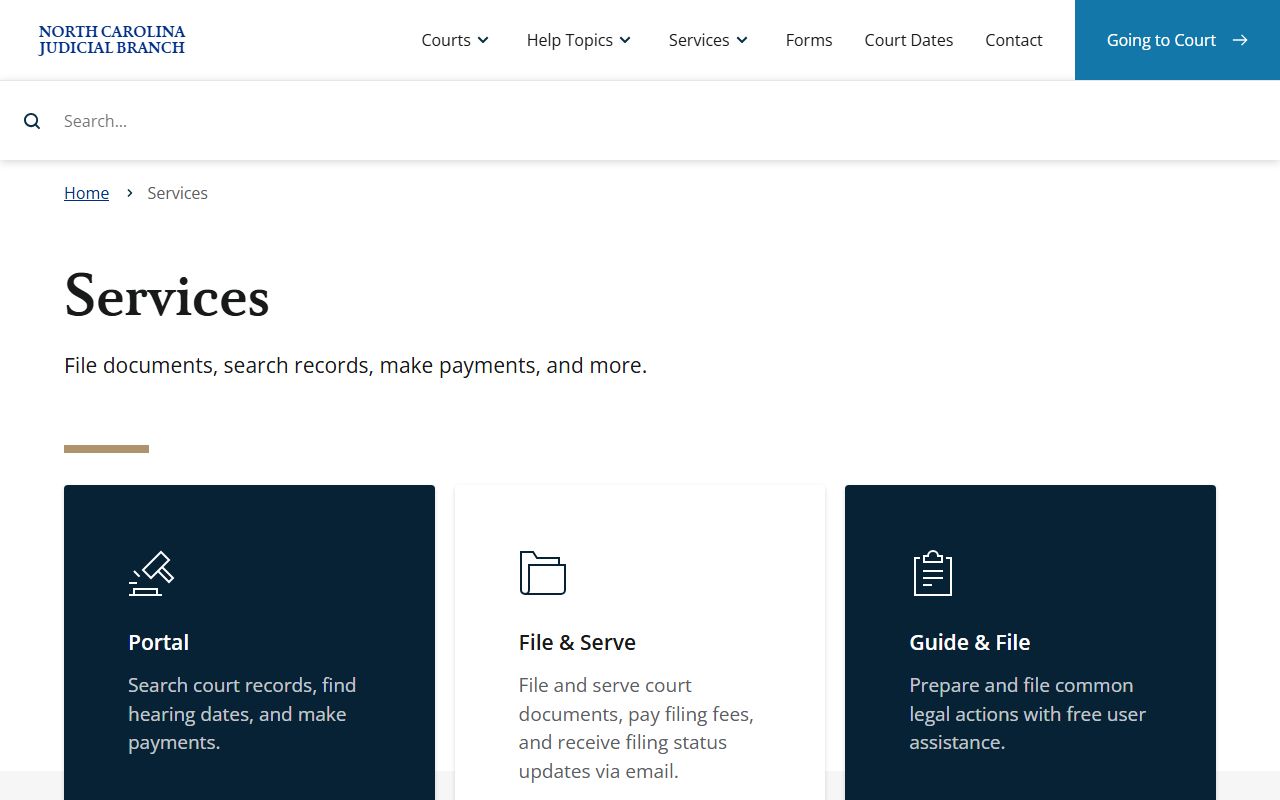
Those statewide tools explain why Caldwell County users often move between online services and the local clerk counter.
The N.C. eCourts Portal home is the online entry point for public case search, hearing search, payments, and judgment lookup.
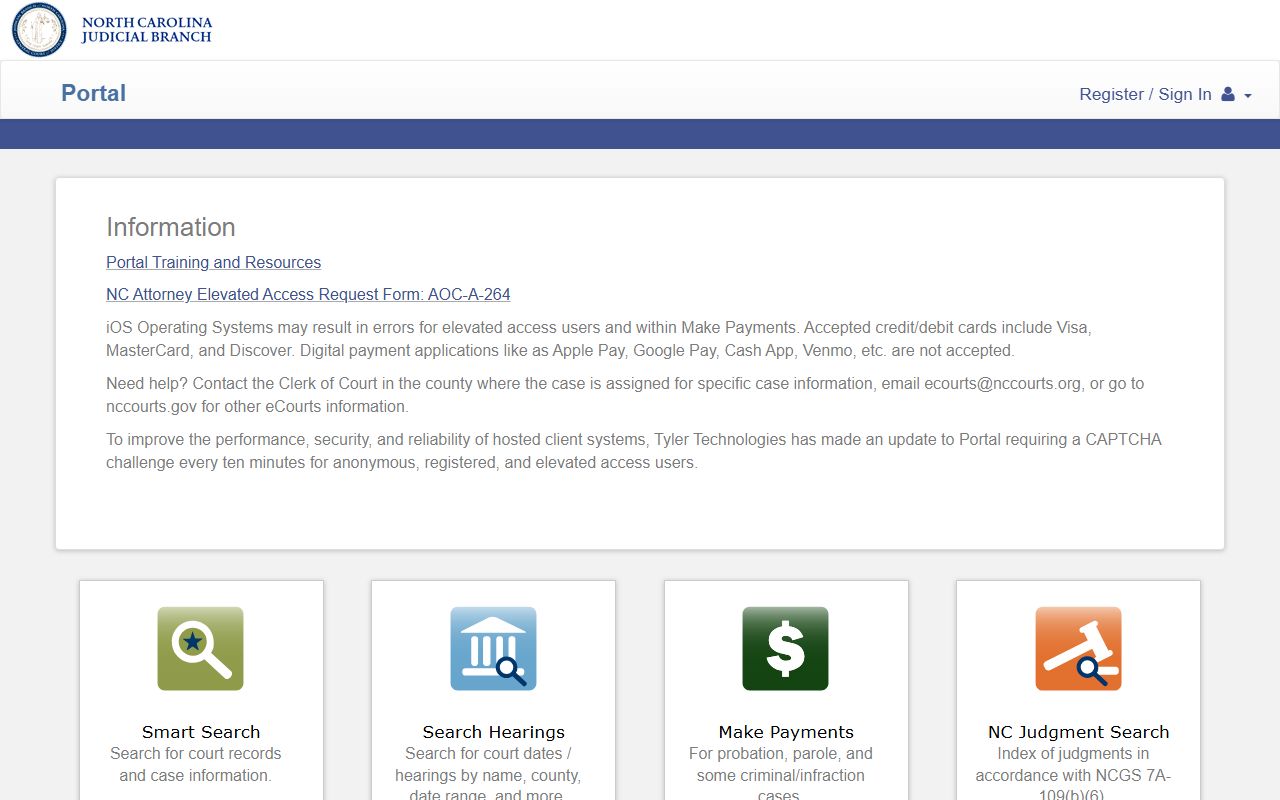
Portal access is central to Caldwell County court lookup because the county converted to eCourts in October 2025.
The North Carolina courts overview describes the statewide court structure that controls Caldwell County Superior Court, District Court, magistrate, and appellate paths.
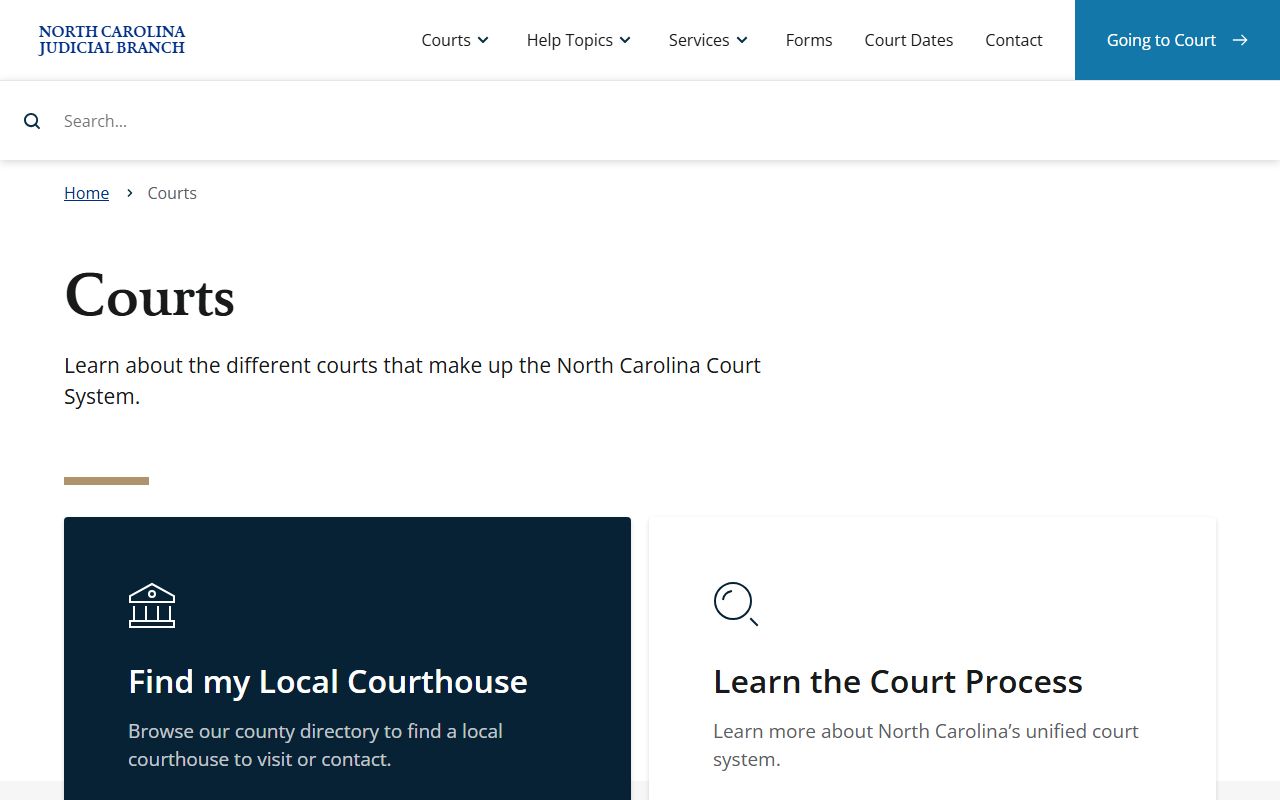
The statewide court overview helps separate Caldwell County trial court records from appellate and federal court records.
The Judicial Branch eCourts launch announcement confirms Caldwell County joined eCourts on October 13, 2025.
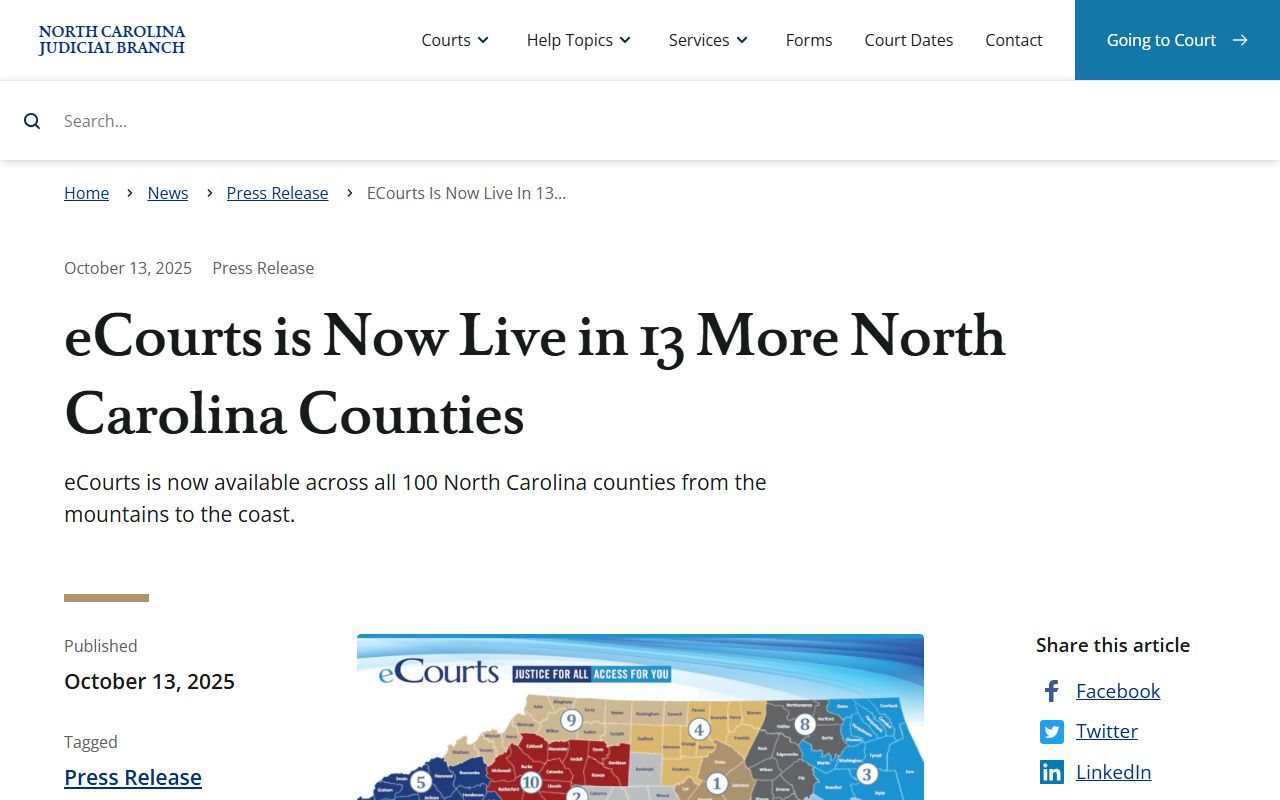
That launch date explains the current Portal-first online access model for Caldwell County court records.
The Caldwell County government home is the county-level starting point for non-court county offices and local administration.
County government resources are useful when a request belongs to a county office rather than the state Judicial Branch.
Search Public Records
Use the search box below for a broader public-record search when the official Caldwell County court, clerk, sheriff, or Register of Deeds channel is not the right starting point.
Sponsored Results