
Caldwell County Criminal Court Records
A criminal court record is the case file the court maintains after a prosecution begins. In Caldwell County, the Clerk of Superior Court keeps the docket, case file, indexes, and copies for criminal matters filed in Superior Court and District Court. The file can include the charge record, court dates, bond events, motions, pleas, trial activity, judgments, sentencing orders, probation terms, and appeal notices. It may also show dismissed charges or acquittals, so a record must be read with care.
Superior Court hears all felony criminal cases in North Carolina and misdemeanor or infraction appeals from District Court. District Court hears misdemeanors and infractions in non-jury proceedings. Magistrates are part of the District Court structure and may issue arrest warrants, set bail, accept guilty pleas for minor misdemeanors and infractions, and accept waivers of trial for some worthless check cases. Caldwell County is Prosecutorial District 36, Superior Court District 36, and District Court District 36.
The North Carolina Superior Court page is the official source for felony jurisdiction and Superior Court's role in criminal cases.
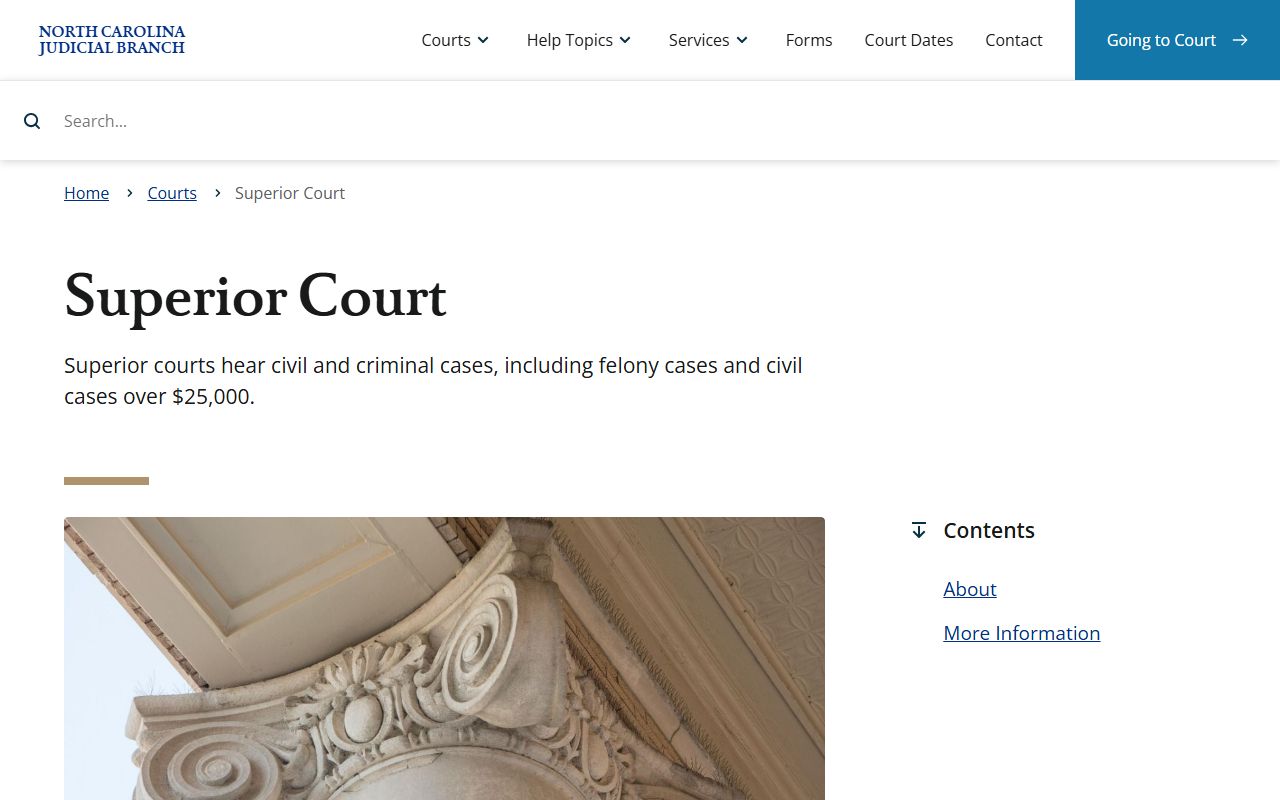
That jurisdiction matters in Caldwell County because felony records are Superior Court matters, while many lower-level criminal and traffic matters begin in District Court.
Search Caldwell County Criminal Cases
Caldwell County criminal court records are searched through the N.C. eCourts Portal. Use Smart Search for case information and Search Hearings for court dates. Caldwell County went live on eCourts on October 13, 2025 as part of the final statewide conversion group, so the Portal is the main online route for public case lookup, hearing lookup, records and documents when available, and payments for eligible cases.
Search by defendant name or case number when possible. Use Advanced Filtering Options to select Caldwell County as the location. Add case type, case status, file-date range, date of birth, or booking number only when the information is known. Portal may require JavaScript, cookies, and CAPTCHA checks. If the online search does not show enough detail, contact the Caldwell County Clerk of Superior Court for file inspection or copies.
- Open Smart Search from the N.C. eCourts Portal.
- Enter the defendant name in Last, First Middle Suffix format or enter the criminal case number.
- Select Caldwell County under location and add date or case-status filters if the result set is too broad.
- Open the case summary to read the docket, charge list, hearing entries, disposition, and payment or judgment details when available.
- Use Search Hearings when the immediate need is a date, time, courtroom, judicial officer, or hearing type.
- Request certified copies from the Clerk of Superior Court when an official court document is needed.
Caldwell County Criminal Case Flow
The criminal case file changes as the case moves through court. A charge may begin with an arrest warrant, citation, indictment, or other charging document. The case then moves to first appearance or arraignment, pretrial settings, motions, plea negotiations, trial if needed, disposition, sentencing, and post-judgment steps. Not every case has every event, and some misdemeanor or infraction cases resolve quickly.
Case flow: Charges Filed › First Appearance or Arraignment › Pretrial and Motions › Plea or Trial › Disposition › Sentencing › Appeal or Expunction Review.
| Stage | What happens in the record |
|---|---|
| Charges filed | The charge, statute or offense name, agency, case number, and bond context may appear. |
| First appearance or arraignment | The court addresses status, counsel, bond, and plea or scheduling issues. |
| Pretrial and motions | Motions, continuances, notices, discovery disputes, and hearing dates may be docketed. |
| Plea or trial | The record may show a plea, verdict, dismissal, acquittal, or trial result. |
| Disposition and sentence | The court records the outcome, sentence, probation, fines, costs, or other order. |
The narrower charge-tracking piece is covered in Caldwell County arrest records and court charges.
Caldwell County Criminal Record Fields
Criminal court record fields can come from Portal, the clerk's file, calendar entries, and custody records that connect a person to a court case. The current inmate PDF is not the criminal court file, but its sample charge lines show the kinds of court-linked fields that may later appear in or point toward the case record, such as docket number, bond, status, and court date.
| Field | What It Shows |
|---|---|
| Case or docket number | The court identifier, with examples such as modern criminal case numbers in the research. |
| Defendant | The person charged in the criminal case. |
| Charge | The offense name or accusation filed in court. |
| Agency | The law enforcement agency tied to the arrest, citation, or charge line. |
| Bond | The amount or conditions set to secure appearance when applicable. |
| Plea | The defendant's formal response to a charge when recorded. |
| Disposition | The outcome, such as guilty, not guilty, dismissed, or other court result. |
| Sentence | Punishment, probation, costs, restitution, or other conditions after conviction. |
Caldwell County Charges vs Convictions
A charge is an accusation filed or pursued in court. A conviction is a finding of guilt by plea, judge, or jury. Caldwell County criminal court records can contain charges that were dismissed, reduced, amended, or resolved without conviction. That is why the disposition and sentence fields matter. A name match or charge entry alone does not prove that a person was convicted.
| Point | Charge | Conviction |
|---|---|---|
| Stage | Accusation or filed offense. | Final guilt finding by plea, judge, or jury. |
| Proof level | May begin from probable cause or charging review. | Requires proof beyond a reasonable doubt or a valid guilty plea. |
| Record meaning | Shows what was alleged or filed. | Shows an adjudicated criminal outcome. |
| Possible result | Can be dismissed, amended, reduced, or tried. | Can lead to sentence, probation, fines, costs, or appeal. |
Caldwell County Criminal Prosecution
The Caldwell County District Attorney prosecutes state criminal cases in Superior Court and District Court. The Judicial Branch directory lists the District Attorney contact as 828-759-3510, and Caldwell County is Prosecutorial District 36. Law enforcement may arrest or cite a person, and magistrates may issue warrants or set bail, but the prosecutor decides how state criminal charges proceed in court.
Some Caldwell County conduct can become a federal case rather than a state case. Federal criminal matters from Caldwell County fall within the Western District of North Carolina, not the Caldwell County Clerk's state court file system. The U.S. Attorney's Office for the Western District of North Carolina handles federal prosecutions in that district, with Charlotte and Asheville contact numbers listed by DOJ.
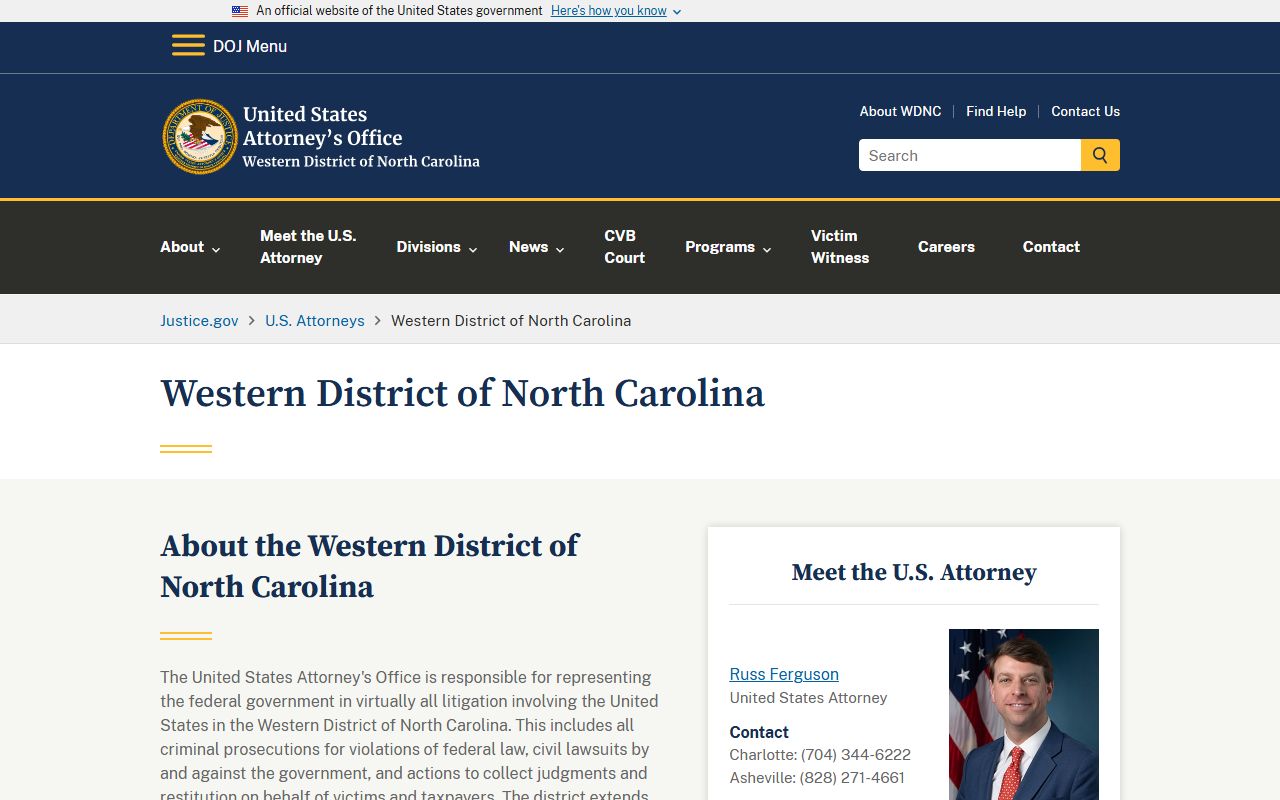
The federal prosecutor page is useful only when a case is federal; most Caldwell County misdemeanors and felonies remain in North Carolina trial courts.
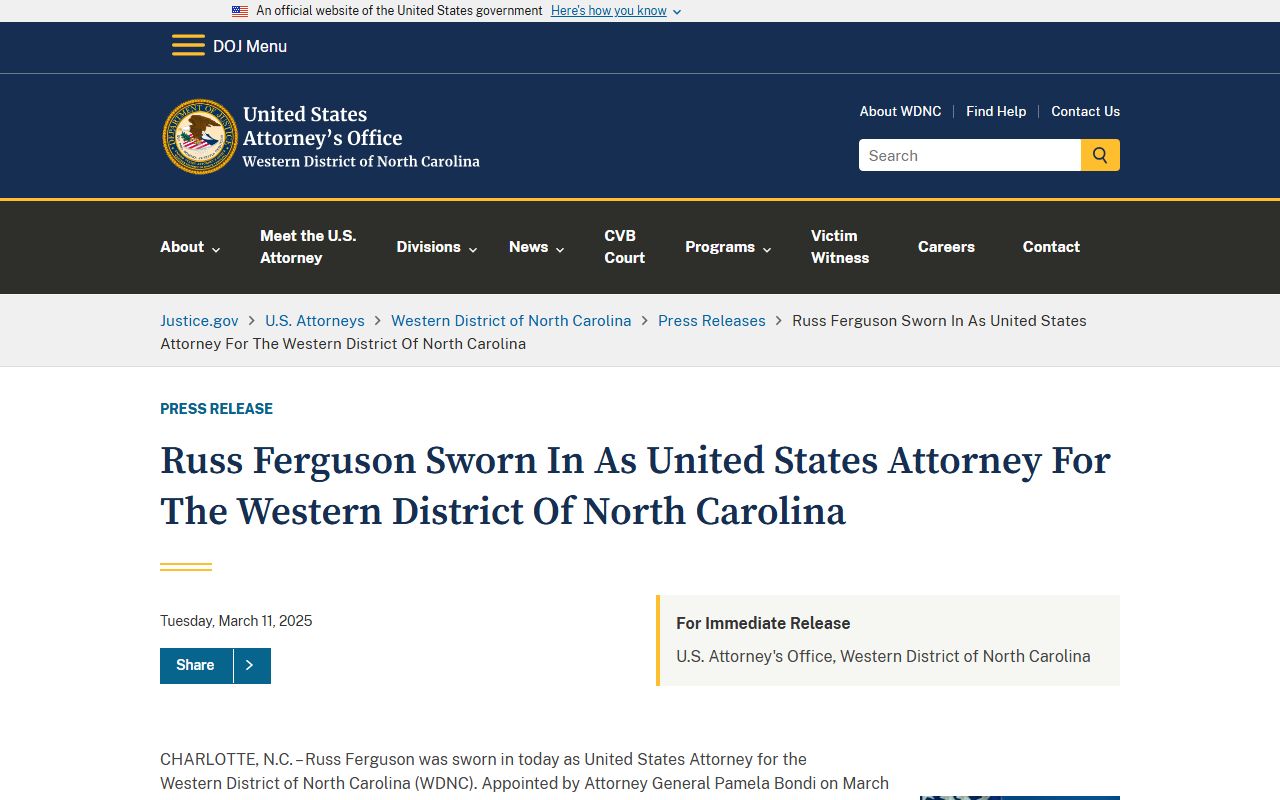
Recent Western District news can show federal enforcement activity, but it does not replace state court Portal or clerk searches for local criminal cases.
Caldwell County Criminal Record Access
North Carolina law makes many court records open to public inspection while preserving limits for protected records. N.C.G.S. 7A-109 requires clerks to maintain court records, files, dockets, and indexes and opens them to public inspection during regular office hours unless prohibited by law. N.C.G.S. 132-1 defines public records broadly for public business records.
Practical access begins with Portal, then moves to the Clerk of Superior Court for file inspection, certified copies, background-check requests, older records, and records not visible online. The Judicial Branch help page says public users should use the clerk's office, not Portal, for background checks. Public records requests can be used for existing Judicial Branch records that are not obtainable through Portal or the clerk counter.
Key point: A public case entry can still omit sealed, expunged, juvenile, or redacted information.
Caldwell County Sealed or Expunged Records
Sealed and expunged records are not the same. A sealed record is hidden from ordinary public access by law or court order. An expunged record is removed from ordinary public criminal history under an expunction statute and court order. North Carolina has several expunction statutes, so eligibility depends on the charge, disposition, conviction type, age, waiting period, and prior record.
| Point | Sealed | Expunged |
|---|---|---|
| Public visibility | Hidden or restricted from general public view. | Removed from ordinary public criminal history after court order. |
| Legal basis | Statute, court order, confidentiality rule, or protected case type. | Specific expunction statute such as N.C.G.S. 15A-145.5 when conditions are met. |
| Common examples | Juvenile records, mental health matters, sealed indictments, protected personal data. | Eligible dismissed charges, acquittals, or qualifying nonviolent convictions. |
| How to check | Ask the clerk or an attorney about authority to inspect. | Review Judicial Branch expunction materials and file in the county where the case occurred. |
The Judicial Branch expunction help page is the official starting point for adult criminal record clearing questions.
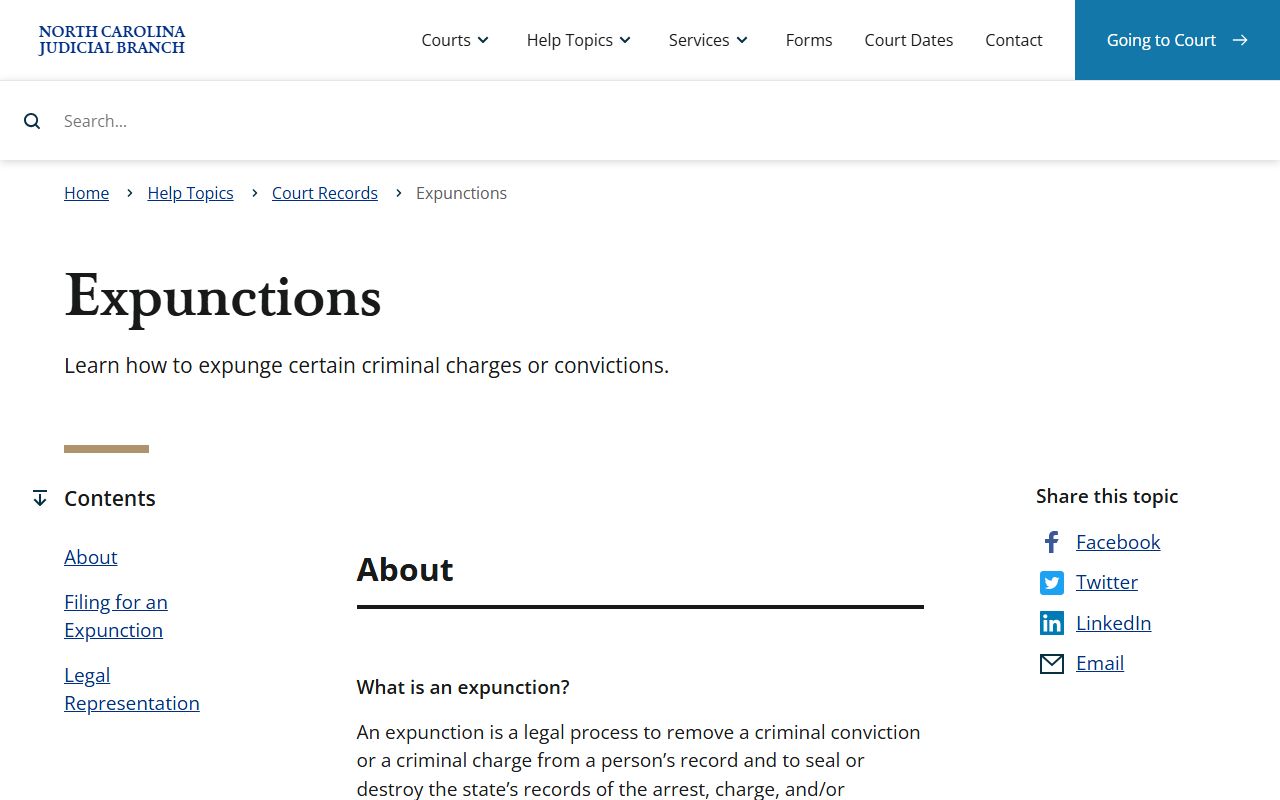
The expunction source is important because a Portal result alone cannot determine whether a Caldwell County resident qualifies to clear a record.
Caldwell County Criminal Records Contacts
Use the Clerk of Superior Court for case files, copies, background-check routing, and public terminals. Use the District Attorney for prosecution contact. Use magistrates for warrant, bail, and first-process questions when the court directory routes a matter there. The Detention Center should not be called for upcoming court dates because the detention research points users to the North Carolina court system or the clerk for court dates.
Clerk of Superior Court
216 Main St NW
Lenoir, NC 28645
828-759-3500
Monday through Friday, 8:00 AM to 5:00 PM
District Attorney
Caldwell County Courthouse
Lenoir, NC 28645
828-759-3510
Prosecutorial District 36
Public Record Search
Sponsored Results